About Us
We make financing simple, flexible, and stress-free. Our mission is to give individuals and businesses access to funds without the usual financial pressure or complicated processes that slow people down.
In partnership with Respect Services, we offer a private financing citizenship arrangement for St. Kitts and Nevis. We handle documentation and heavy financing needed in hastily securing a passport. Joining our dependent program helps you secure a globally recognised passport quickly at a very flexible cost.
With competitive and transparent interest rates, you always know what you’re paying—no hidden charges, no confusing terms. Our repayment plans are designed with you in mind, giving you the freedom to pay back early without penalties or adjust your schedule when needed.
At our core, we believe finance should empower, not restrict. That means fast approvals, hassle-free applications, and support that puts your goals first
Grant Loans for African Businesses

In partnership with Guaranty Trust Bank, our platform offers access to high-quality loan solutions designed for speed, flexibility, and reliability. By leveraging GTBank’s trusted financial infrastructure, we provide users with secure lending options tailored to meet both personal and business needs. Our loan system is built to deliver competitive rates, transparent terms, and flexible repayment schedules—giving users the freedom to choose timelines that suit their financial capacity. With streamlined approval processes and minimal delays, funds are disbursed quickly, ensuring you get the support you need, exactly when you need it.
AFRICA FOR CHANGE
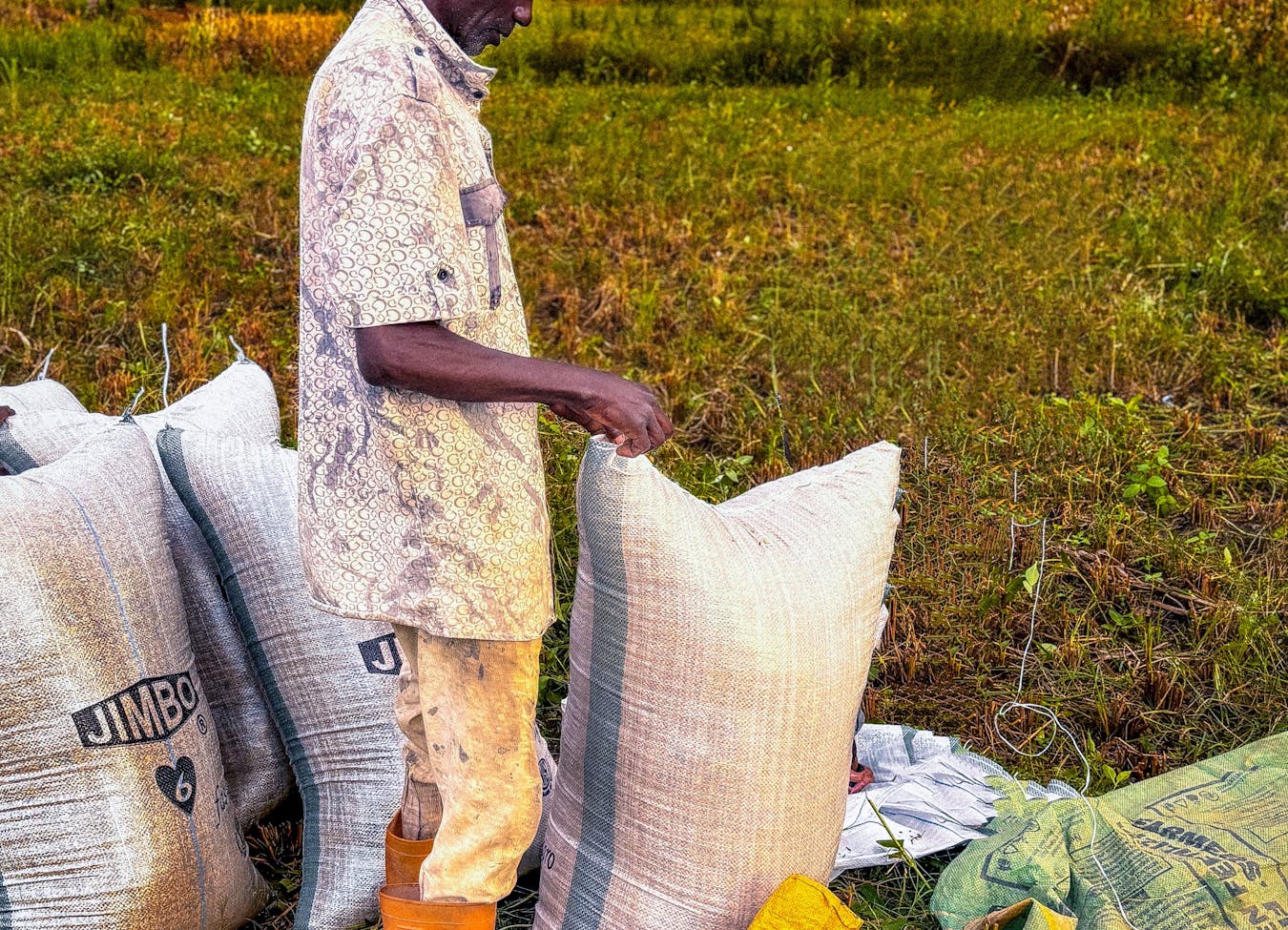
Agricultural Sector & Investment Capacity
Agricultural Sector & Investment Capacity in Africa 1. Executive Summary Agriculture remains the backbone of Africa’s economy in 2026, employing a significant portion of the population and contributing substantially to GDP. Despite its importance, the sector remains underfunded relative to its potential. With increased investment, agriculture has the capacity to transform Africa’s economy, improve food security, and drive inclusive growth. 2. Overview of Agriculture in Africa Agriculture is one of the most critical sectors across the continent: Employs 40%–60% of Africa’s workforce Contributes approximately 15%–17% of GDP across many countries Provides livelihoods for over 230 million people Dominated by smallholder farmers (≈80%) Agriculture is not just an economic activity—it is a social and survival system, especially in rural Africa. 3. Current Investment Landscape (2026) 3.1 Total Investment Levels Total agricultural investment: ~$49 billion (2022 baseline) Funding per farmer: ~$140/year vs $1,300 global average 3.2 Public Sector Investment Only ~3% of government spending goes to agriculture Below the 10% target set by African Union frameworks (CAADP) 3.3 Private Sector Investment Agriculture receives: ~3% of private investment flows Limited due to: High risk perception Poor infrastructure Weak financing systems 3.4 Investment Efficiency Africa reinvests only 5.2% of agricultural GDP into the sector (lower than Asia and Latin America) 4. Investment Capacity of Agriculture in Africa Despite underinvestment, the sector has massive untapped potential: 4.1 Economic Growth Potential Strategic investment could grow Africa’s GDP to $15 trillion by 2035 Agriculture is a primary driver of inclusive growth 4.2 Labor Absorption Capacity Agriculture can: Absorb youth unemployment Provide scalable rural jobs Already the largest employer on the continent 4.3 Value Chain Expansion Investment opportunities exist across: Production (farming) Processing (agro-industries) Storage & logistics Export markets Example: Agro-processing zones (e.g., Nigeria) aim to reduce losses and increase value creation 5. Key Drivers of Agricultural Investment (2026) 5.1 Population Growth Africa’s population growth increases food demand Drives need for large-scale agricultural expansion 5.2 Technology & Agritech Digital tools improving: Yield prediction Market access Financial inclusion 5.3 Climate-Smart Agriculture Growing investment in: Irrigation Drought-resistant crops Renewable energy (e.g., solar-powered farming) 5.4 Domestic Capital Potential Africa holds ~$4 trillion in local capital (pension funds, banks, etc.) Major opportunity if redirected into agriculture 6. Challenges Limiting Investment Capacity 6.1 Infrastructure Deficit Poor roads, storage, irrigation systems Leads to high post-harvest losses 6.2 Climate Change Risks Heavy reliance on rain-fed agriculture (~70%) Increased droughts, pests, and variability 6.3 Financing Constraints Limited access to credit for farmers High interest rates Weak agricultural insurance systems 6.4 Policy and Governance Issues Inconsistent policies Land ownership challenges Weak implementation of investment frameworks 7. Opportunities for Transformation 7.1 Public–Private Partnerships (PPP) Collaboration between governments and investors Key to scaling agricultural financing 7.2 Agro-Industrialization Shift from raw exports to value-added production Increases profitability and job creation 7.3 Regional Integration African Continental Free Trade Area (AfCFTA) enables: Cross-border agricultural trade Larger markets for farmers 7.4 Youth and Innovation Youth-driven agribusiness startups Tech-enabled farming systems 8. Strategic Recommendations To unlock Africa’s agricultural investment capacity: 1. Increase Public Investment Meet 10% budget allocation target Focus on infrastructure and irrigation.
Apply for Grant Loans with African Development
Take the first step towards securing funding for your African business. Apply now and unlock new opportunities.